04 Delivery · Wisconsin
Plastic pallets delivered in Wisconsin
We supply new and graded used plastic pallets to Wisconsin buyers: cheese and dairy plants across the state, paper converters in the Fox Valley, brewers and machinery makers in Milwaukee, and cranberry growers in the central sands. Send the footprint, deck, heaviest load and ZIP on the quote form, and we reply by email with models and a delivered price.
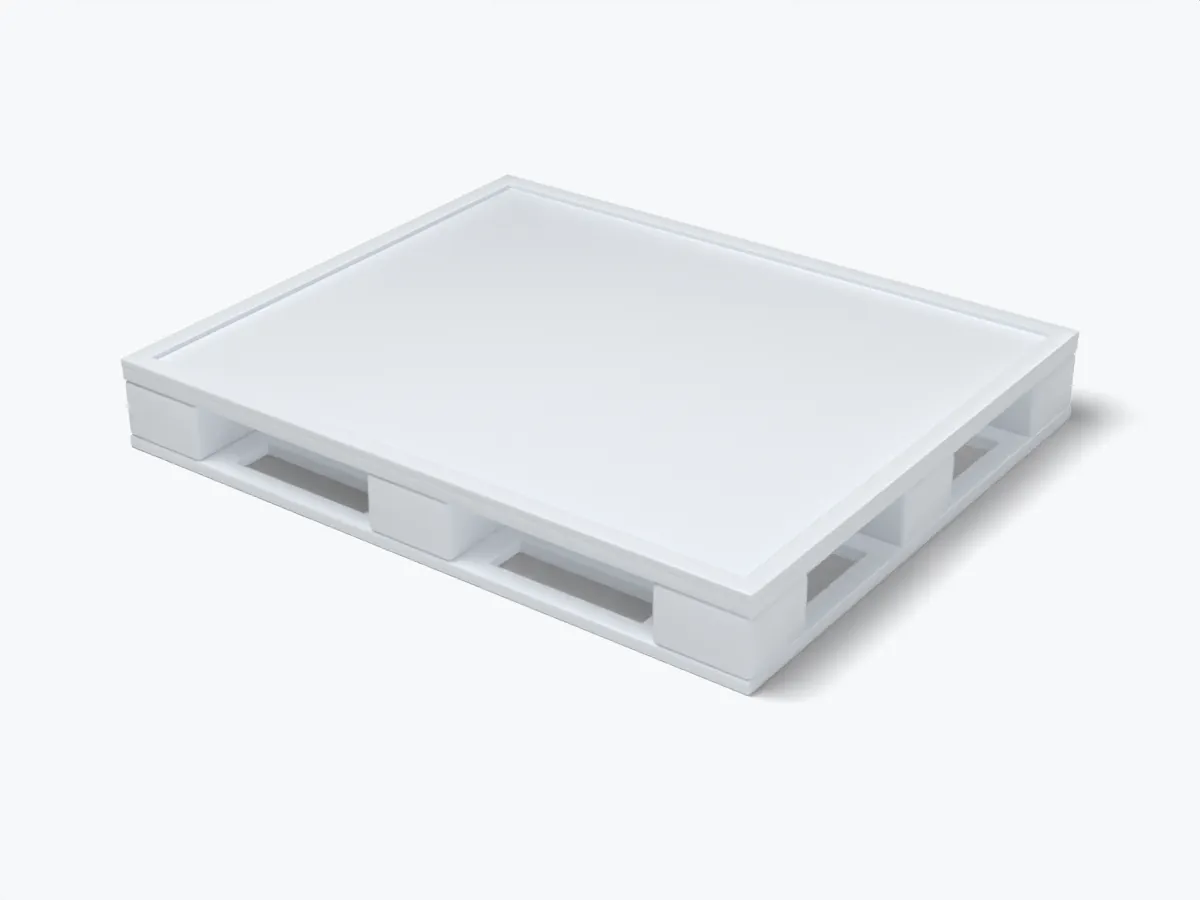
America's Dairyland runs on washdown
Wisconsin makes more cheese than any other state, and its license plates still call it America's Dairyland. Creameries and cheese plants dot the countryside from Monroe and Green County in the south to Marshfield, Plymouth and the Fox Valley farther north.
Cheese rooms, brine tanks and milk receiving bays are wet and cold, and they are cleaned with hot water and chemicals every day. Wood soaks that up and holds bacteria in its grain; a plastic deck can be hosed, sanitized and dried.
The dairy trade commonly runs the 40x40 footprint for milk cases, while blocks and barrels of cheese often travel on 48x40. Aging rooms stack loads high for weeks at a time, so the static rating of the exact model is the one to check.
What Wisconsin makes and the pallet it rides on
| Product | Region | Pallet to ask about |
|---|---|---|
| Cheese, butter and whey | Statewide; Green County, Plymouth, Marshfield | Washable decks; 40x40 and 48x40 |
| Paper and tissue | Fox Valley: Appleton, Neenah, Green Bay; Wisconsin Rapids | Large footprints and high static ratings for rolls |
| Beer and beverages | Milwaukee, La Crosse, Chippewa Falls | Strong dynamic ratings for cased glass and kegs |
| Meat and sausage | Green Bay, Milwaukee, Sheboygan | Solid decks that clean easily in cold rooms |
| Engines and machinery | Milwaukee, Racine, Kenosha, Waukesha | Heavy-duty decks for castings and assemblies |
| Cranberries | Central sands: Wisconsin Rapids, Warrens | Open decks for cold storage |
| Ginseng, potatoes and vegetables | Wausau area, Central Sands | Ventilated decks for storage sheds |
Corridors: I-94, I-41, I-39 and I-90
I-94 runs from the Illinois line through Kenosha and Milwaukee to Madison, then northwest through Eau Claire to the Twin Cities. Between Kenosha and Milwaukee it has grown a dense belt of distribution buildings that serve both Chicago and Milwaukee.
I-41 carries freight north from Milwaukee through Fond du Lac, Oshkosh, Appleton and Green Bay. I-39 runs from the Illinois line through Madison and Stevens Point to Wausau, and I-90 crosses from Beloit through Madison to La Crosse. I-43 links Milwaukee, Sheboygan, Manitowoc and Green Bay along the lake shore.
Factories along those roads make more than food. Racine produces household cleaning products and farm tractors, Oshkosh builds specialty trucks for fire, defense and access work, and Kohler, near Sheboygan, casts plumbing fixtures. Heavy cast iron and vitreous china need decks with high dynamic figures and enough stiffness to keep fragile pieces from flexing on the forks.
Superior, in the far northwest, shares the Duluth-Superior harbor with Minnesota on Lake Superior.
Lake ports and the paper country
Port Milwaukee and the Port of Green Bay take ships from the Great Lakes and the St. Lawrence Seaway, mostly bulk cargo like salt, cement, coal and grain rather than containers.
The Fox River valley between Neenah and Green Bay is one of the country's oldest papermaking regions, and tissue, towel and packaging plants still line it. Paper rolls are heavy, round and easily damaged by a rough deck, so mills ask for smooth tops and high static figures for floor storage.
Brewers in Milwaukee and La Crosse ship cased glass and kegs that travel on forks constantly. Ask for the dynamic rating of the model, since a brewery pallet spends more of its life moving than sitting still.
Cold docks and how loads arrive
A Wisconsin dock in January can be far below freezing. HDPE keeps its toughness in that cold, and PP copolymer handles it better than PP homopolymer, which can get brittle. Tell us the coldest temperature the fleet will see.
A truckload rides on a 53-foot dry van, about 52.5 feet long and 100 inches wide inside. One published Rehrig Pacific heavy-duty nestable 40x48 loads 1,200 to the trailer; rackable and stackable models with runners load far fewer. LTL serves a single creamery or a cranberry receiving station that needs a few stacks.
Selling surplus pallets from Wisconsin
Dairy plants that change customers or packaging often end up with a stack of pallets in the wrong footprint. Send count, footprint, resin code, condition and pickup ZIP, and we offer for them as pallets or as regrind. Pallets that carried cheese need to be clean before resale as Grade A.
Cranberry growers finish harvest in October and November, and brewers retire fleets when they rebrand or change keg suppliers. Both can be good moments to list surplus, since sorting by footprint and checking each runner takes less effort before the next busy season starts.
Questions buyers ask
Which footprint suits a Wisconsin cheese plant?
40x40 is common for milk cases, while cheese blocks and barrels often ride on 48x40. Match the racking and your customers' docks.
Do plastic pallets crack in a Wisconsin winter?
HDPE and PP copolymer handle cold well; PP homopolymer can get brittle. Check the maker's temperature range for the model.
Are plastic pallets FDA approved for dairy?
No pallet is FDA approved as a product. 21 CFR 177.1520 covers the resins, and a model's food-contact status depends on its maker's paperwork.
Can a Fox Valley paper mill order by the truckload?
Yes. Send the roll weight, footprint and count, and we quote models with a static rating to match.
Do you deliver to Kenosha and Pleasant Prairie warehouses?
Yes. Those buildings sit right on I-94, so truckloads reach them easily. Tell us whether the pallets go into racking, because that decides which models qualify.
Sources
- 21 CFR 177.1520: olefin polymers in food-contact articles
- Rehrig Pacific: 40 x 48 heavy duty nestable pallet sheet
Last reviewed November 8, 2026.