00 Pricing
Plastic pallet cost and pricing
A plastic pallet's price is set by its resin, molding process, weight, rated loads, reinforcement, the quantity ordered and the freight to your dock, and new, used and recycled pallets compare best as cost per trip. Send footprint, type, heaviest load, quantity and delivery ZIP, and we reply by email with a delivered price per line.
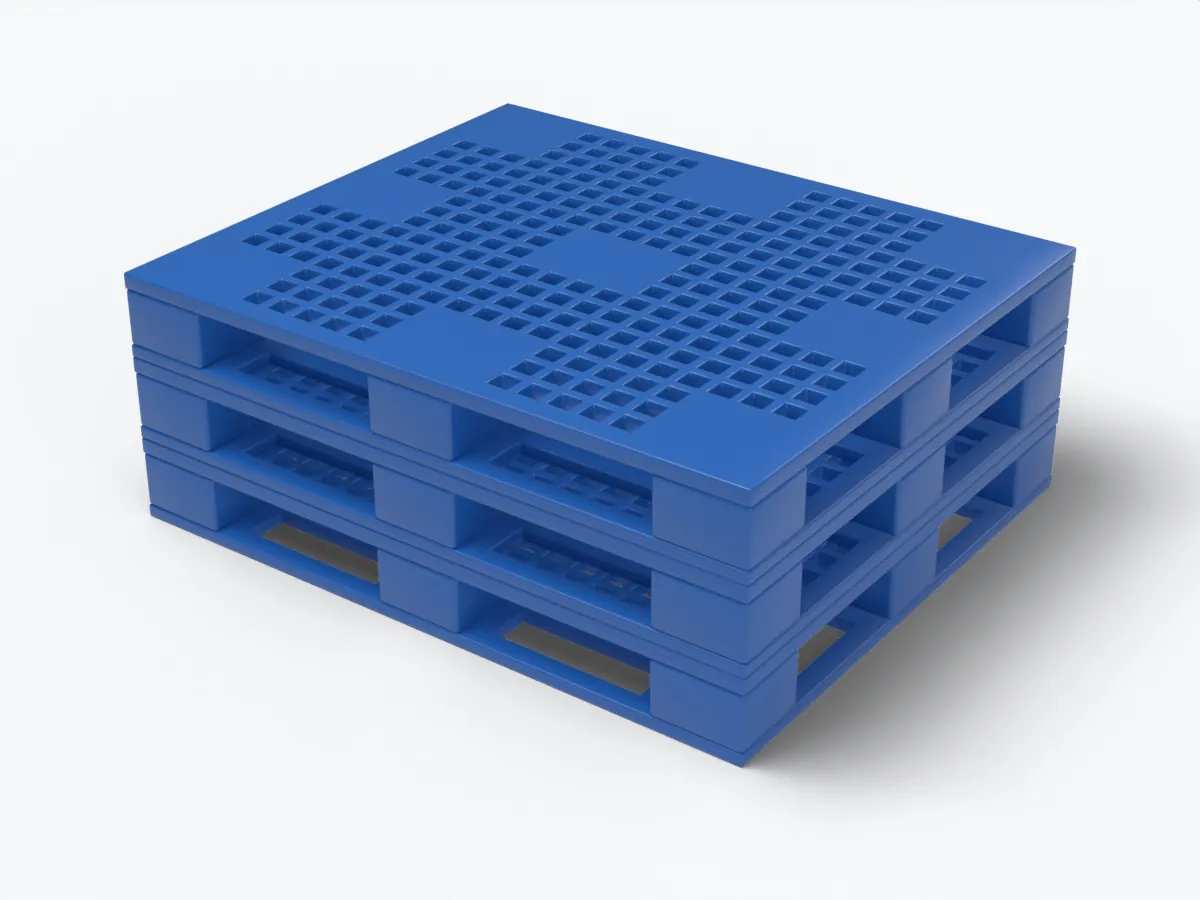
Why we don't print a price list
A plastic pallet is a molded part, and two pallets of the same footprint can be very different parts. One 48x40 may be a light one-way nestable for export, another a rack-rated pallet with steel in its runners. Their prices are far apart for good reason, and a single figure for a 48x40 plastic pallet would mislead more buyers than it helped.
Resin prices also move with the oil and gas markets that feed them, and freight changes with distance and season. A price posted on a page would be stale by the time a truckload shipped. Every quote we send is a delivered price for named models or used grades, good for the period it states.
Order details shift the figure too. Custom colors, branding, tighter tolerances, documentation packets for food or pharma audits and delivery to more than one drop all add cost, and none of them shows up in a headline number.
What sets the price of a plastic pallet
| Driver | Why it moves the price | What to ask |
|---|---|---|
| Resin | HDPE and PP copolymer are priced on commodity markets; virgin resin costs more than regrind blends | Which resin, and whether it is virgin, recycled or a blend |
| Molding process | Injection molding needs costly tooling but makes parts fast; thermoforming, structural foam, rotational and compression molding each trade tooling cost against part cost and strength | How the model is made |
| Part weight | More resin per pallet means more cost per pallet, and usually more strength | The listed weight on the maker's sheet |
| Rated loads | Higher dynamic, static and racked figures take more material or better design | The three ratings for the exact model |
| Reinforcement | Steel or fiberglass tubes raise the racked load and the price | Whether a racked figure depends on reinforcement |
| Deck and features | Solid or lipped decks, friction pads, RFID pockets, hot-stamped logos and custom colors add cost | Which features are standard and which are options |
| Quantity | Full truckloads spread setup and freight over many pallets | Price breaks between a partial and a full load |
| Freight | Distance from the source to your ZIP, and how densely the model ships | Delivered price, not price at the source |
| Condition | New, used Grade A, Grade B, mixed lot or recycled | Which grade the quote is for |
Resin and process
HDPE, resin code 2, stays tough in the cold and is common in injection-molded pallets for food and cold rooms. Polypropylene copolymer, resin code 5, is stiffer at room temperature and appears in many rackable and heavy-duty nestable designs. The published heavy-duty nestable 40x48 we cite elsewhere is injection-molded PP copolymer.
The molding process shapes price as much as the resin does. Injection molding needs an expensive steel mold, so it pays off only on high-volume models, but each pallet that comes out of that mold is cheap to make and consistent. Thermoformed pallets use lower-cost tooling and suit lighter or mid-range loads. Structural foam and compression molding produce thick, heavy parts. Rotational molding makes hollow, durable pallets in smaller runs. A buyer doesn't have to choose the process, but knowing it explains why two pallets with the same footprint carry different prices.
Rated load and reinforcement
The three ratings on a maker's sheet tell you what you are paying for. Dynamic load is the weight a pallet carries on forks or a jack. Static load is the weight it carries flat on the floor. Racked load is the weight it carries spanning two beams, and it is usually the lowest and the most costly to raise.
Buying more rating than the job needs is the most common way to overpay. If your pallets never enter a rack, a model without a racked figure may be all you need. If they do, the racked figure for your beam setup is the only number that matters, and paying for steel reinforcement may be the right call. Tell us your heaviest load and whether it is racked, and the quote will match the rating to it. Equally, under-buying invites cracked runners, sagging decks and replacement orders.
New, used and recycled
New pallets cost the most up front, come with the maker's published ratings and a full service life ahead, and arrive in one model and color. Used pallets cost less and suit many jobs, but each grade comes with limits: our Grade A is whole and clean and rackable only if the model was rack-rated; Grade B is sound but marked and not for racking unless checked; mixed lots are sorted by footprint only and sold by the load.
Recycled pallets are molded from regrind, sometimes blended with virgin resin. They are often priced below comparable virgin-resin pallets, and their ratings, like any model's, come from the maker's sheet for that exact pallet.
Comparing by cost per trip
The price per pallet only tells half the story. A plastic pallet is bought to make trips, so the fair comparison is cost per trip: what you pay for the pallet, plus the cost of getting it back if it travels a loop, divided by the number of trips it makes before it is retired. Subtract what it brings at the end, as a used pallet or as regrind, and the comparison is complete.
On that basis, a dearer pallet that survives many trips can cost less per trip than a cheap one that cracks early. A closed loop between a plant and its customers usually favors durable rackable or heavy-duty models. A one-way export load favors a light nestable or a used pallet, since it will not come back. Damage rates, return freight and loss to customers matter as much as the sticker.
- Price paid per pallet, delivered
- Plus return freight per trip, if the pallet comes back
- Plus repairs and losses over its life
- Divided by the trips it makes before retirement
- Less what it is worth at the end, as a pallet or as regrind
Getting a delivered quote
Send the footprint, pallet type, deck, heaviest load and whether it is racked, quantity and delivery ZIP through the quote form. We answer by email with the models or used grades that meet the load, the rating each one is sold on, and a delivered price per line. A truckload ships on a 53-foot van, and smaller orders ship LTL, which costs more per pallet to deliver.
Questions buyers ask
How much does a plastic pallet cost?
It depends on resin, process, weight, rated loads, reinforcement, quantity and freight, so we quote per model and per delivery ZIP. A light export nestable and a reinforced rackable of the same footprint are priced far apart.
Are used plastic pallets cheaper than new?
Yes, as a rule, and the gap depends on grade. Check that the grade fits the job, since a Grade B pallet isn't meant for racking unless checked.
Are plastic pallets more expensive than wood?
Usually, per pallet. Over many trips in a loop, a plastic pallet's cost per trip can come out lower; the plastic vs wood guide compares the two.
Does ordering a full truckload lower the price?
Usually, because freight and handling are spread over more pallets. We can quote both a full load and a partial so you can compare.
Sources
Last reviewed November 8, 2026.