03 Industry · Automotive Parts
Plastic pallets for automotive Parts
Automotive suppliers and assembly plants run plastic pallets in returnable loops, often 48x45, under sleeve packs, dunnage and parts totes that cycle between supplier and line. Send the footprint, the parts and their weight, the loop and your delivery ZIP through the quote form, and we email back models and a delivered price.
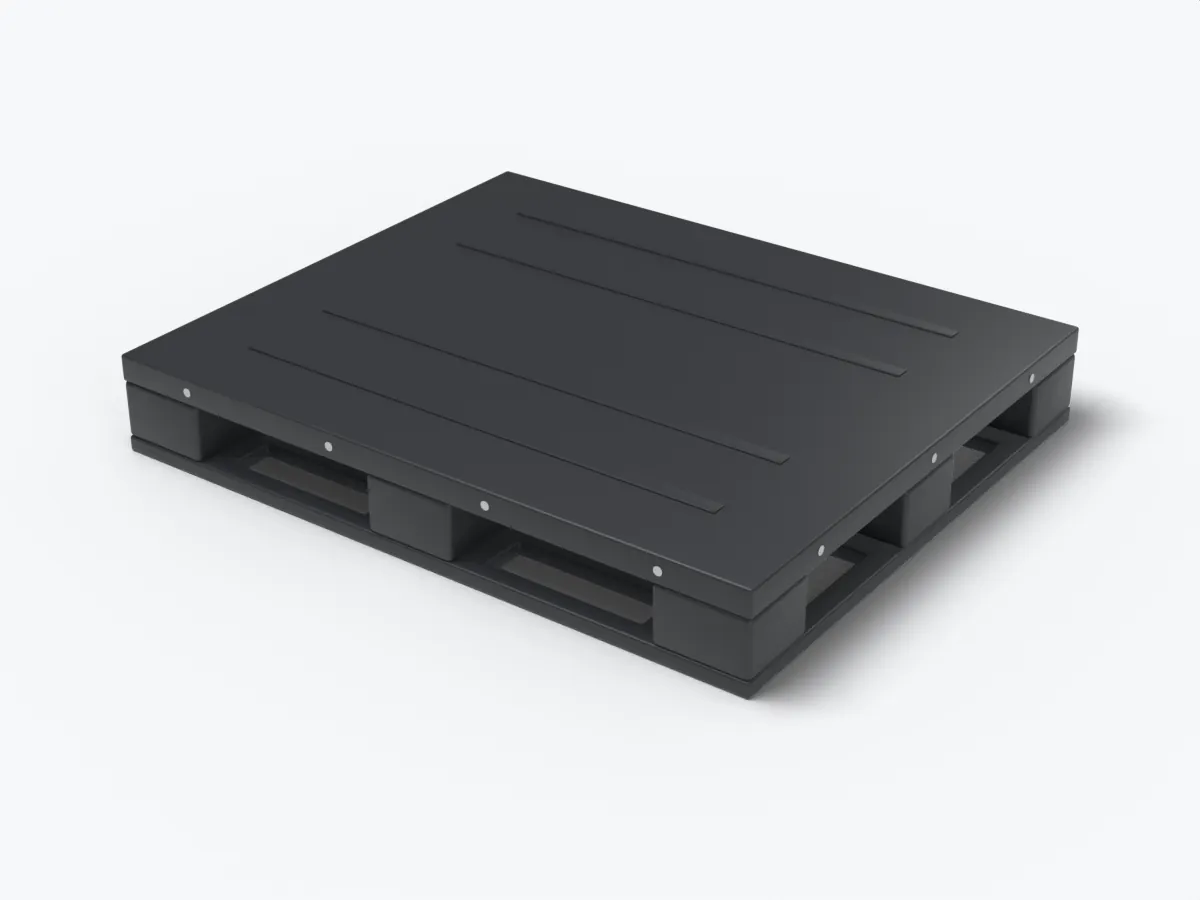
Returnable packaging is the automotive way
Car and truck assembly runs on returnable containers. A supplier ships parts to the plant in reusable packaging, the plant unloads at the line, and the empties go back to the supplier on the next truck. The pallet is part of that system and is expected to make many trips.
The common build is a pallet pack: a plastic pallet, a collapsible plastic sleeve and a lid, strapped together, with custom dunnage inside holding the parts in place. Smaller parts ride in hand-held totes stacked on a pallet. Empty packs collapse so the return truck carries several times as many.
Because the loop is closed and the packaging is engineered per part, the plant's packaging spec sets the footprint, the height and often the color and labeling. Suppliers buy to that spec.
From stamping press to line side
Loads range widely. Stampings, castings and forgings are dense and heavy. Interior trim, wiring harnesses and plastic moldings are light but easy to damage. Engines and transmissions usually ride on steel racks rather than pallets.
Glass, seat foam and painted fascias need soft dunnage over a clean deck; brake rotors, axle shafts and steering knuckles need stiffness.
Line-side delivery means many small moves by tugger trains and forklifts in tight aisles, so four-way entry and a perimeter base that slides well on rollers and conveyors earn their keep.
Paint shops are a reason on their own. Wood dust, splinters and some release agents are a contamination risk near paint, so plants keep wood out of those areas, and a molded pallet in a clean resin is the accepted base.
Yards, weather and empties
Returnable packaging spends time outdoors in supplier and plant yards waiting to be loaded. Specify UV-stabilized resin, and expect the pallet to be stacked loaded and empty in all weather.
Empty pallet packs get stacked several high, so the static rating applies to empties as well as loaded packs. A pallet with a lid-locating rim and a bottom that nests onto the lid below keeps a tall stack straight.
Winter is part of the spec in Michigan, Ohio, Indiana and Ontario yards: snow, road salt and sub-zero mornings. HDPE keeps its impact strength in that cold, while some stiff PP grades crack when a frozen stack gets knocked over by a yard tractor.
Footprints in the automotive loop
48x45 is the footprint closely associated with automotive parts, sized around the containers and racks the industry uses. 45x48 is the same pallet turned. Plants also use 48x40, 48x48 and smaller footprints sized to their totes, and European-owned plants may specify 1200x1000 or 1200x800.
| Job | Footprint | Pallet type | What to check |
|---|---|---|---|
| Pallet-and-sleeve packs | 48x45 | Sleeve-pack pallet with lid rim | Fit to the sleeve and lid |
| Totes of small parts | 48x45 or 48x40 | Stackable with perimeter base | Tote footprint and overhang |
| Stampings and castings | 48x45 or 48x48 | Heavy duty, reinforced | Dynamic load, deck stiffness |
| Line-side conveyors | Plant spec | Rackable with runners | Bottom pattern for rollers |
| Paint shop areas | Plant spec | Molded stackable, clean resin | Resin and contaminants |
| European-owned plants | 1200x1000 or 1200x800 | Stackable or rackable | Receiver's spec |
New fleets, refills and buy-backs
A new program usually starts from the OEM's packaging spec and a trial lot. Refills replace pallets lost or damaged in the loop. When a vehicle program ends, its packaging is often surplus all at once, and those pallets are worth more resold than ground.
Send us the count, footprint and condition of an end-of-program fleet with the pickup ZIP, and we make an offer as pallets or as regrind. Labels and part IDs don't stop a sale; cracks set it toward regrind.
Tracking, washing and battery programs
Every container in a loop is an asset on somebody's books. Bar-coded labels, molded serial numbers and RFID tags let a logistics provider count pallets at each dock, bill losses back to whoever kept them and plan cleaning. A carrier that drops empties at the wrong supplier can cause a shortage that idles a press line.
Pallets carrying oily stampings or machined parts wet with cutting fluid need washing between cycles; HDPE sheds that residue in a hot-water tunnel washer. Tier-one and tier-two suppliers often share fleets, so agree on footprint, color and identification before anyone buys.
Electric-vehicle battery modules and cells add a new load class: dense, valuable and sometimes regulated as dangerous goods in transport, packed in engineered trays to the customer's own requirements. Ask about flame-retardant resin grades if a battery program is in the mix.
Quote checklist for suppliers
Send the footprint, the packaging spec or drawing, the part weight per pack, whether it stacks or racks, the quantity and the delivery ZIP. We reply with models and a delivered price, by the 53-foot van for a loop launch or LTL for refills.
Questions buyers ask
Why do automotive pallets use 48x45?
It fits the sleeves, totes and racks the industry built its returnable packaging around. Plants with other containers use other sizes.
Can you supply pallets for a pallet-and-sleeve pack?
Yes, if you send the sleeve and lid dimensions. The pallet's rim has to match the sleeve, so we quote models that fit it.
What happens to packaging when a vehicle program ends?
It often comes up for sale as a surplus lot. Whole pallets resell; cracked ones go to regrind. Send count, footprint and condition for an offer.
Sources
Last reviewed November 8, 2026.