06 Sell side
Plastic pallet recycling
Plastic pallet recycling turns cracked HDPE and PP pallets into regrind: they are sorted by resin, stripped of tags and steel, ground into flake and molded again. Send the count, resin code, condition and pickup ZIP, and we reply by email with an offer for the load by weight.
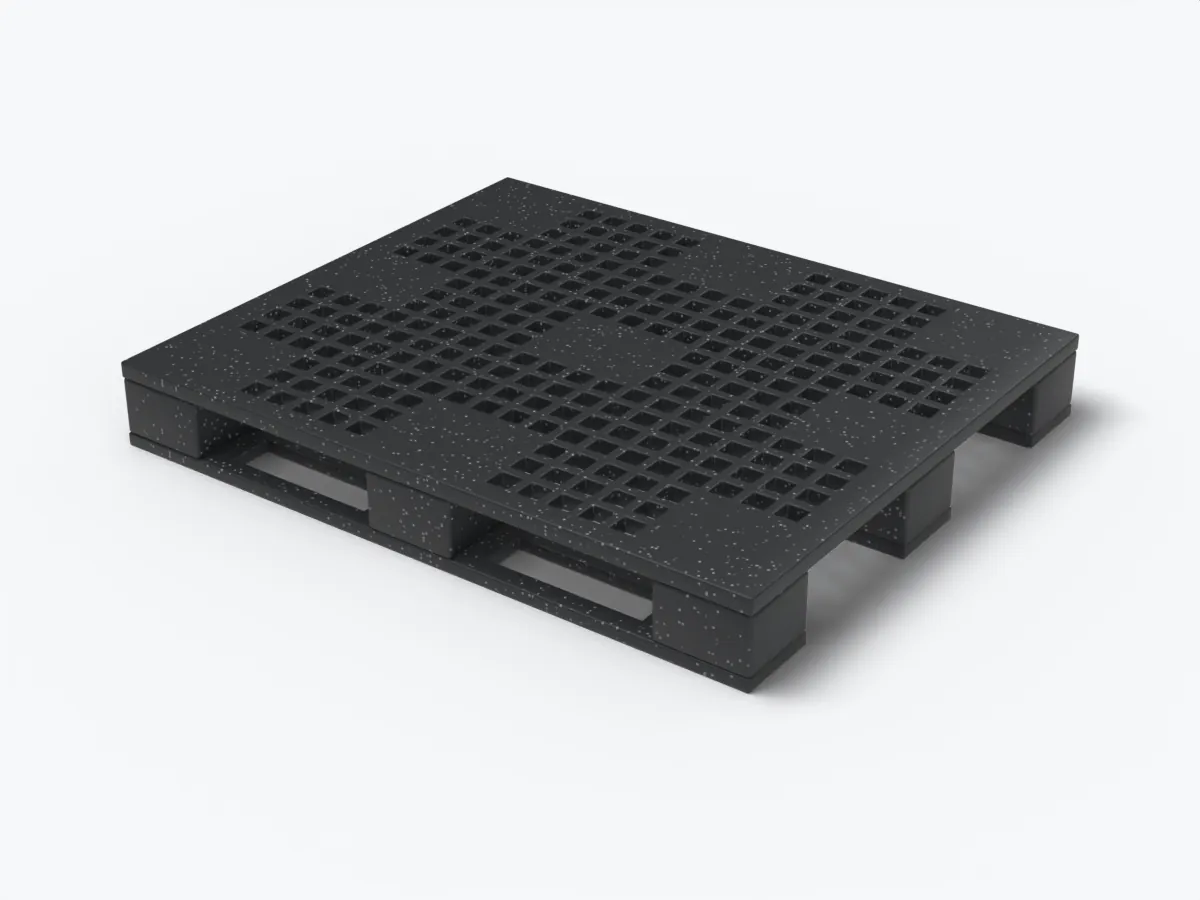
Why a broken plastic pallet is worth recycling
A wood pallet that breaks is usually chipped or burned. A plastic one is a block of thermoplastic, and thermoplastic can be melted and shaped again without losing much of what made it useful.
Most pallets are molded from one of two resins: high-density polyethylene, resin code 2, or polypropylene copolymer, resin code 5. A grinder that receives a load of only one of them can sell the flake to a molder who runs that resin. That is the whole reason a cracked fleet has value: it is feedstock.
Recycling also keeps the pallets out of a landfill, where they would sit for a very long time. For many sites that is a reporting goal on its own, and the regrind offer is the bonus.
What happens to a load, stage by stage
Recyclers differ in equipment, but the path a pallet takes is much the same everywhere.
| Stage | What happens | What it means for the seller |
|---|---|---|
| Receiving | The load is weighed and checked against the description | Weight sets the basis of a regrind offer, so an honest count and resin note avoid a revised price |
| Sorting | Pallets are split by resin code and, where it matters, by color | A single-resin load skips this step and is worth more |
| Stripping | RFID tags, labels, steel or fiberglass reinforcement tubes and rubber friction pads come out | Steel-reinforced rackables need more labor; say if your model has tubes |
| Grinding | A shredder and granulator cut the parts into flake | Size and shape of the pallet don't matter at this point |
| Washing | Flake that carried food residue, dirt or dust is washed and dried | Clean pallets save this step |
| Reprocessing | Flake is sold as is or melted and pelletized into uniform pellets | This is where the resin's market value is set |
| Molding | Regrind is blended into new pallets, crates, bins or other parts | Some of it comes back as recycled plastic pallets |
Sorting by resin code
HDPE and polypropylene don't blend well in a melt. A molder buying flake wants one resin, so a recycler either sorts by hand, sorts with equipment, or pays less for a mixed load.
The resin code is molded into most pallets, usually on the underside or the edge of a leg, inside the chasing-arrows triangle. A 2 means HDPE. A 5 means polypropylene. If the code is worn off, the maker's name and model number often settle it, and we can help read them from a photo. Some plants confirm doubtful parts with a handheld near-infrared scanner, which identifies the polymer within seconds.
Color matters to some buyers too. Natural and light colors can be recolored; black can't. A load of one color from one model is the cleanest feedstock a grinder can get.
What a recycler won't take
Contamination is the line a grinder can't cross. Pallets soaked in oil, used under chemical drums that leaked, or exposed to anything hazardous can't be ground into flake that a molder will accept.
Pallets that burned, melted or sat against a heat source have degraded resin and are usually refused. Heavy dirt and food residue are acceptable at most plants, but they add washing cost and lower the offer.
Mixed loads of plastic pallets with wood, metal or cardboard need sorting before pickup. A recycler pays for plastic, not for the trash that rides with it. Nails, screws and bolted brackets left in from earlier fixtures also need pulling.
Preparing a load for the grinder
Broken pallets don't nest or stack neatly, so they take more trailer space per pound than whole ones. Stacking them as flat as the damage allows, with the heaviest pieces at the bottom, lets the truck carry more weight in one trip.
Keep the plastic apart from scrap wood, shrink wrap, strapping and corrugate. Pull off loose labels if that is easy, and set aside any pallet you think carried something hazardous so it can be checked first. If your site tracks landfill diversion, ask in the request whether a weight record can be supplied with the pickup; we will say plainly if the receiving plant can't provide one.
How a regrind offer is built
Regrind is sold by weight, so a recycling offer is a weight-based offer. The basis is the expected clean weight of usable resin, less the cost of moving and processing it.
Four things move that number: the resin and whether the load is one resin or two, how much stripping the pallets need, how clean they are, and how far the pickup ZIP is from a plant that can grind them. Resin markets also move, so a written offer is good for a stated period, not forever.
We don't publish a price per pound because it changes with the market and with each load. We do explain how your offer was reached, line by line, so you can compare it with any other quote you get.
Getting a recycling quote
Use the sell-back form and pick recycling as the request type. Give the count or an estimated weight, the resin code if you can read it, the footprint, whether any pallets have steel tubes or RFID tags, what the pallets carried, and the pickup ZIP.
If some of the lot is still whole, mention it. Whole pallets are usually worth more sold as pallets than as flake, and the offer can split the lot between the two. A whole pallet only goes to the grinder when nobody needs it as a pallet.
Questions buyers ask
Can cracked plastic pallets be recycled?
Yes. Cracked HDPE and PP pallets are ground into regrind and molded again, as long as they aren't contaminated with oil, chemicals or anything hazardous.
Is a recycled pallet weaker than a new one?
That depends on the maker's blend of regrind and virgin resin and on the model's design. Read the rated loads on the maker's sheet for the exact model rather than assuming either way.
Do I need to remove RFID tags before recycling?
No, but tell us they are there. The recycler strips tags, steel tubes and friction pads before grinding, and the effort is part of the offer.
What if I don't know the resin?
Send a photo of the underside. The resin code, maker's name or model number usually shows which resin it is.
What do recycled plastic pallets get turned into?
Regrind goes back into many molded goods: new pallets, crates, bins, plastic lumber, pipe and drainage products, depending on the resin grade and its cleanliness. Pallet-to-pallet recycling is common because the resin started in that application.