06 Sell side
Who buys plastic pallets
Plastic pallets are bought by four kinds of buyer: resellers who want whole ones, end users who run them in their own loops, fleet owners who want their marked pallets back, and recyclers who want the resin. Tell us your count, footprint, condition and pickup ZIP, and we route the lot to the buyer that pays most for it.
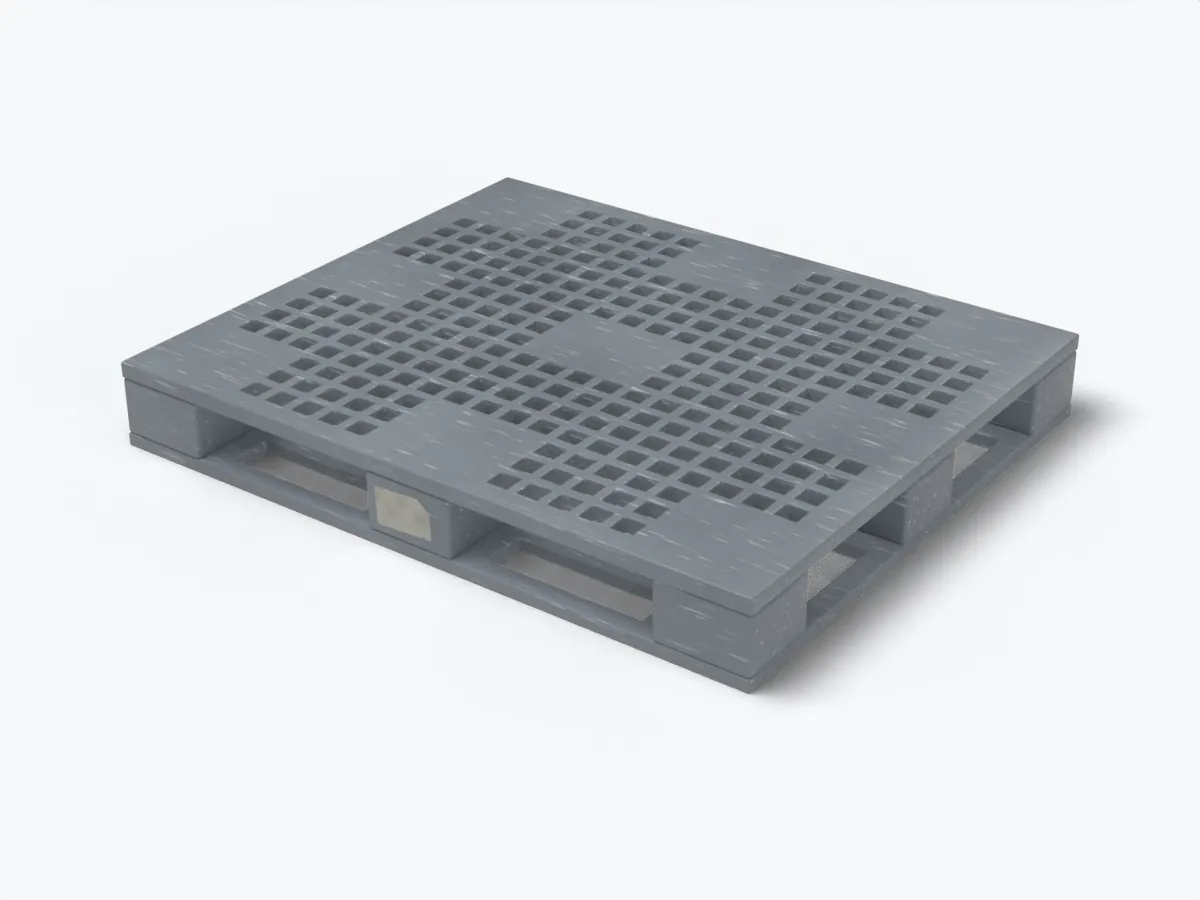
The buyers, side by side
Each buyer wants something different from the same stack, which is why one lot can earn very different offers depending on who sees it.
| Buyer | What it wants | Condition it accepts | How it usually pays |
|---|---|---|---|
| Used-pallet reseller | Matched loads of one model it can sell again | Grade A and Grade B, whole | Per pallet |
| End user with its own loop | A known model in its footprint, often to top up a fleet | Mostly Grade A; Grade B for floor use | Per pallet, by the load |
| Original fleet or pool owner | Its own branded pallets, back in its system | Any condition, since the pallets are its property | Often a return or recovery fee, not a purchase |
| Recycler or grinder | Clean resin of one type | Cracked, broken, warped, retired | By weight |
| Molder using regrind | Flake or pellets, not pallets | Buys from recyclers, not from docks | By weight of processed resin |
Resellers want matched, whole loads
A reseller earns its margin by selling your pallets to a buyer who needs that exact footprint and type. The easiest lot for it is one model, one color, all whole, enough to fill a trailer. That lot can go straight to an end user without sorting.
Resellers also look at the model itself. A current model from a known maker sells quickly because buyers can match it to pallets they already run and can read its rated loads from the maker's sheet. An odd footprint or a discontinued design takes longer to place and earns less.
Most resellers won't take cracked pallets at all, or take them only as part of a larger whole lot.
End users buy to fill a loop
Some of the strongest buyers are companies that already run the same model. A dairy short of 40x40 pallets, an automotive supplier that lost part of a 48x45 returnable fleet, or a bottler adding a line will pay for exactly the pallet they already use.
These buyers are strict about grade. A pallet going into a rack has to be Grade A of a rack-rated model, and a pallet entering a washdown room has to be clean and whole. A buyer like this is the reason we describe each lot in plain grades instead of saying good condition. Expect such buyers to ask for sample pallets, model numbers and dated photos before they commit.
Fleet owners and pools want their own pallets back
Many plastic pallets are not owned by the dock they sit on. Pools and returnable programs mark their pallets with a name or color and expect them to come home.
Those pallets aren't yours to sell, and no honest buyer will take them. The right move is to contact the owner named on the pallet, which often runs a recovery service. We can tell you whether a pallet looks pooled from a photo of its side and underside.
Recyclers buy the resin
A recycler or grinder doesn't care whether a pallet can carry a load. It cares about the resin: HDPE or polypropylene, one type or mixed, clean or dirty, with or without steel tubes inside.
That makes the recycler the buyer for everything a reseller turns down. Cracked decks, broken legs, snapped runners and warped parts all have value here, priced by weight. The recycler is also the buyer of last resort for whole pallets of a model nobody wants.
Some grinders sit beside molding plants and feed flake directly into extruders; others are brokers who collect bales and truckloads from many generators and sell to compounders. Either way, consistency wins: a buyer of resin pays more for steady, predictable volume than for one surprise load.
Offers to read twice
Not every buyer of plastic pallets is the right one. A few patterns are worth checking before you agree to anything, whichever desk you sell through.
- A haul-away for free: a general scrap or junk hauler may clear the dock at no charge and keep whatever the pallets are worth. That is a fair trade only if the lot really has no resale or resin value.
- A high price sight unseen, then a re-grade on arrival: ask before pickup how a buyer handles pallets that don't match the description, and get that in writing.
- A per-pallet price on a broken lot: cracked pallets sell by weight, so a per-piece figure on damaged stock usually hides a deduction later.
- No word on freight: an offer that doesn't say who pays for the truck, or whether it is delivered or picked up, isn't a full offer yet.
- Pressure to sell pooled pallets: a buyer who will take someone else's branded pool pallets is taking a risk you share.
Who pays the most
For a whole pallet, an end user who runs that model usually pays most, then a reseller. For a broken pallet, a recycler is the only real buyer. A pallet is worth the most to the buyer who can use it as it is.
The catch is reach. A single seller rarely knows which end users need its model this month, and an end user rarely has a trailer near your dock. Our desk sits between the two: we take one description of your lot, split it by grade, and offer the whole pallets to buyers who need them and the broken ones to buyers who grind them.
Questions buyers ask
Who buys used plastic pallets near me?
Resellers, end users running the same model and recyclers all buy, but few cover every region. Send your pickup ZIP and we offer the lot to the buyers that can reach it.
Will a buyer take pallets with another company's logo?
A logo your company paid for is fine. A pool or rental owner's mark means the pallet belongs to that owner and should go back to it.
Do recyclers pay for plastic pallets?
Yes, by weight, when the resin is clean and known. Contaminated pallets usually have no value and may cost money to dispose of.
Is it better to sell to one buyer or split the lot?
A mixed lot often earns more split: whole pallets to a reseller or end user, broken ones to a recycler. Our offers can be written that way.
Do pallet buyers want half and quarter footprints?
Some do, mostly retail and club-store suppliers that ship display loads on 24x40 or 20x24 decks. Demand for these sizes is narrower, so expect fewer bidders and a longer wait than for a standard 48x40 lot.