05 Catalog section
Plastic pallet guides
These ten guides explain how plastic pallets are rated, molded, sized for freight, washed, exported and graded used, so you can describe the pallet your job needs before you ask for a price. Start with the question you have in the table below, then send us footprint, load and delivery ZIP for a quote.
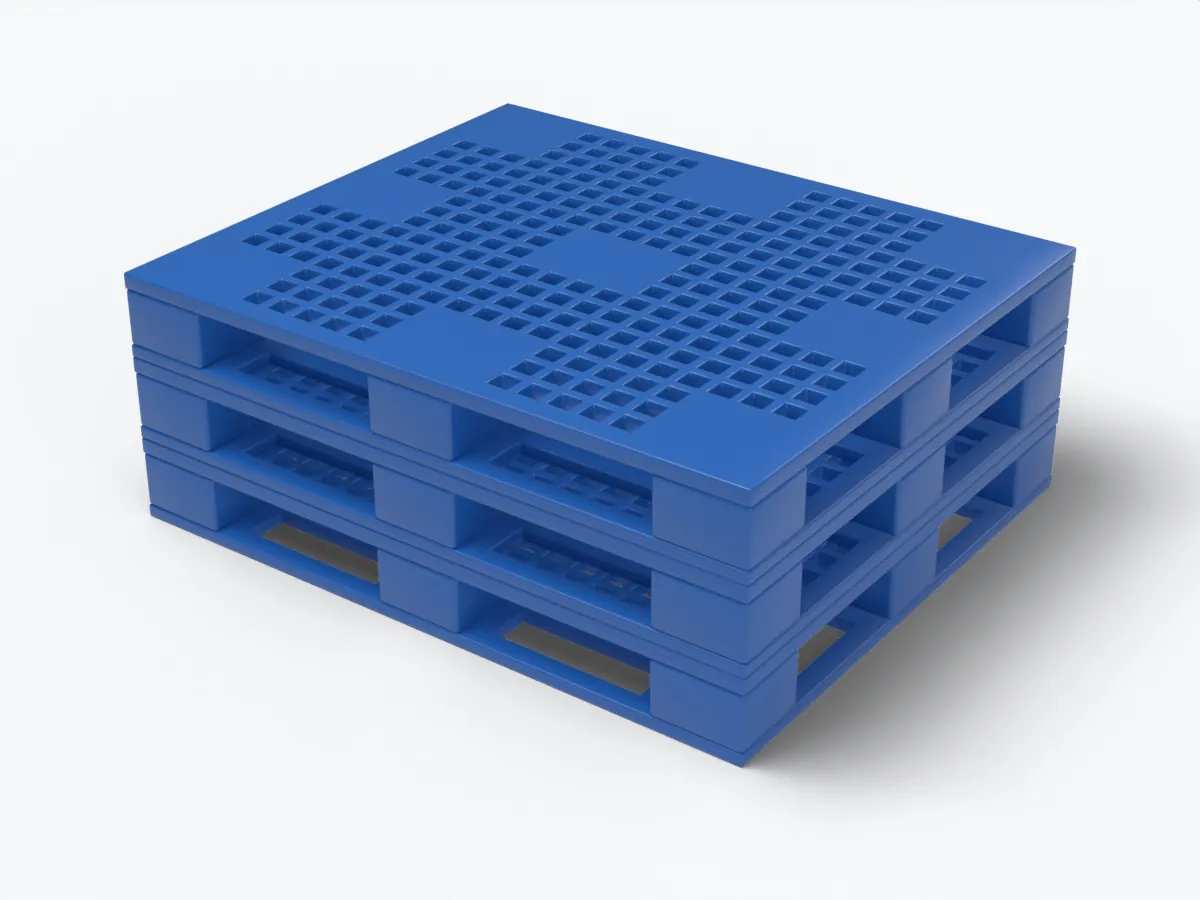
In this section
- 05.01 How to read a plastic pallet's load ratingsWhat the three load ratings on a plastic pallet mean, why the racked load is usually lowest, and how beam span and load spread change the number.
- 05.02 HDPE vs polypropylene palletsHDPE pallets against polypropylene copolymer: cold impact, stiffness, weight and creep under load, and which resin suits coolers, racks and export.
- 05.03 Plastic pallets vs wood palletsPlastic pallets vs wood pallets on price, trips, weight, hygiene, export rules and repair. A straight comparison of where each one is the better buy.
- 05.04 ISPM 15 and plastic palletsISPM 15 covers wood packaging, not plastic. What that means for plastic pallets at the border, and the paperwork and footprint questions that remain.
- 05.05 Nestable vs rackable palletsNestable pallets save return freight; rackable pallets span beams. How to choose between them, and the stackable middle ground with three or more runners.
- 05.06 Plastic pallet manufacturers and processesHow plastic pallet manufacturers make pallets: injection molding, thermoforming, rotational and compression molding, and what each process means for you.
- 05.07 How to read a used plastic palletRead a used plastic pallet from its underside: resin code, date clock, maker and model marks, cracks, and repairs. A guide to judging a used lot.
- 05.08 How many plastic pallets fit on a trailerTrailer counts for plastic pallets: nested against stacked, how nest height and weight limits set the count, and what a 53-foot van or a container holds.
- 05.09 Washing and sanitizing plastic palletsHow plastic pallets are washed and sanitized: tunnel washers, chemistry, water temperature limits for HDPE and PP, drying, and what records to keep.
- 05.10 New or used plastic palletsWhen a new plastic pallet is worth it and when used is the better buy: racking, food contact, fleet uniformity, lead time and price per trip.
Where to start, by question
Each guide answers one question a buyer, a plant engineer or a shipping clerk tends to ask when moving to plastic pallets. Find yours on the left and go straight to the page that covers it in depth.
| Your question | Read this guide | You will come away with |
|---|---|---|
| Will this pallet hold my load in a rack? | Load ratings | Dynamic, static and racked figures and the conditions behind each |
| Should I buy legs or runners? | Nestable vs rackable | Which base suits racks, conveyors, floor stacks and return freight |
| Which resin for a freezer or a light pallet? | HDPE vs polypropylene | Cold toughness against stiffness and weight |
| Is plastic worth the extra cost over wood? | Plastic vs wood pallets | Cost per trip, hygiene, export and repair compared |
| Do I need heat treatment to ship abroad? | ISPM 15 and plastic pallets | Why the wood rules stop at plastic, and what still applies |
| How are these pallets made, and by whom? | Manufacturers and processes | The five molding methods and how to read a maker's sheet |
| How many fit on a truck or in a container? | Trailer loads | The arithmetic from inside dimensions, nested and stacked |
| How do I clean pallets for a food plant? | Washing and sanitizing | The wash sequence and the limits to get from the maker |
| Is this used lot any good? | Reading a used pallet | Resin code, date clock, model number and failure points |
| Should I pay for new or save with used? | New or used | Which jobs need new and which our used grades cover |
Strength, shape and freight
How to read a plastic pallet's load ratings is the guide to read first if anything will go in a rack. It walks through the three published capacities, explains why plastic sags slowly when it bridges two beams for days, and shows how span direction, point loads, drive-in rails and cold rooms change the figure you should trust.
Nestable vs rackable pallets compares the two bases that decide most purchases: tapered legs that drop into each other when empty, and runners that let a pallet sit on beams and roll on conveyors. It also covers the stackable model in between and how plants store empties of each kind.
How many plastic pallets fit on a trailer turns the inside measurements of a 53-foot van and of 20- and 40-foot containers into floor positions for each common footprint, then adds stack height and nest step. It ends with the weight check that can cap a load before the floor fills.
Materials, makers and the wood question
HDPE vs polypropylene pallets sets the two common resins side by side. Polyethylene, code 2, keeps its toughness when frozen; PP copolymer, code 5, gives a stiffer, lighter part. Neither absorbs water, both creep, and the page covers sunlight, pigments and what to ask for in coolers, yards and racks.
Plastic pallet manufacturers and processes explains how a molded pallet is made: injection, structural foam, thermoforming, rotational and compression molding. It shows why tooling cost pushes buyers toward catalog models, and lists the lines a good spec sheet carries, using well-known makers that publish them as examples.
Plastic pallets vs wood pallets is the straight comparison for anyone still deciding. It weighs first cost against cost per trip, fixed weight and dimensions against variable lumber, washable decks against porous boards, and a retired plastic fleet's regrind value against wood that is chipped or burned.
Export rules and clean rooms
ISPM 15 and plastic pallets sets out what the international wood packaging standard requires, why molded plastic sits outside it, and how USDA APHIS classes plastic as an alternative it does not regulate. It flags the traps that remain, such as wooden dunnage in the same box, and suggests footprints for overseas receivers.
Washing and sanitizing plastic pallets lays out the dry clean, wash, rinse, sanitize and dry sequence used in dairies, bakeries and meat plants. It ties cleanability to the FSMA sanitary transportation rule, explains why every model has its own temperature and chemistry limits, and covers which decks clean fastest.
Buying used with your eyes open
How to read a used plastic pallet teaches you to flip one over and read what is molded underneath: the resin triangle, the month-and-year dial, the maker's name and part number, and any ownership mark. It then lists the joints, runners and deck areas that fail first, and how to sample a truckload at the dock.
New or used plastic pallets helps you decide where each belongs. New pallets earn their price in racks, on automated lines, under food-contact paperwork and with RFID or logos; sound used ones do the same floor and one-way work for less. It maps our Grade A, Grade B and mixed lots to the jobs each suits.
From guide to quote
The guides end in the same place: a short list of facts that let us match your job to real models. Gather the footprint, the pallet type if you know it, the deck, the heaviest load and whether it will be racked, the quantity and your delivery ZIP, and send them through the quote form or to info@plasticpalletsforsale.com.
We reply by email with the new models or used grades that meet those numbers, each with a delivered price. Full truckloads travel on a 53-foot van; anything smaller goes LTL.
If you have pallets to move out instead, the sell desk takes the count, footprint, resin code if known, condition and pickup ZIP, and returns an offer for them as pallets or as regrind.
Questions buyers ask
Which guide should a first-time plastic pallet buyer read?
Start with load ratings, then nestable vs rackable. Together they tell you which type and which published figure your job needs.
Do the guides give load ratings for specific pallets?
Only one published example, a heavy-duty nestable 40x48. Ratings vary by model, so the guides show how to read a maker's sheet rather than quoting blanket numbers.
Where are the answers to short questions?
The FAQ page collects quick answers on pallet types, pricing factors, used grades and selling a fleet.
Can I ask about a job the guides do not cover?
Yes. Send the details through the quote form or to info@plasticpalletsforsale.com and we reply by email.
Sources
- USDA APHIS: wood packaging material and its alternatives
- Cabka: plastic pallets for export and ISPM 15
- 21 CFR 177.1520: olefin polymers in food-contact articles
- FDA: FSMA rule on sanitary transportation of human and animal food
Last reviewed November 8, 2026.