03 Industry · Pharmaceutical Distribution
Plastic pallets for pharmaceutical Distribution
Pharmaceutical wholesalers and 3PLs use plastic pallets to replace inbound wood at the receiving dock and keep clean, labeled, consistent bases in temperature-mapped storage. Tell us the footprint, rack type, heaviest load and delivery ZIP on the quote form, and we email back matching models with a delivered price.
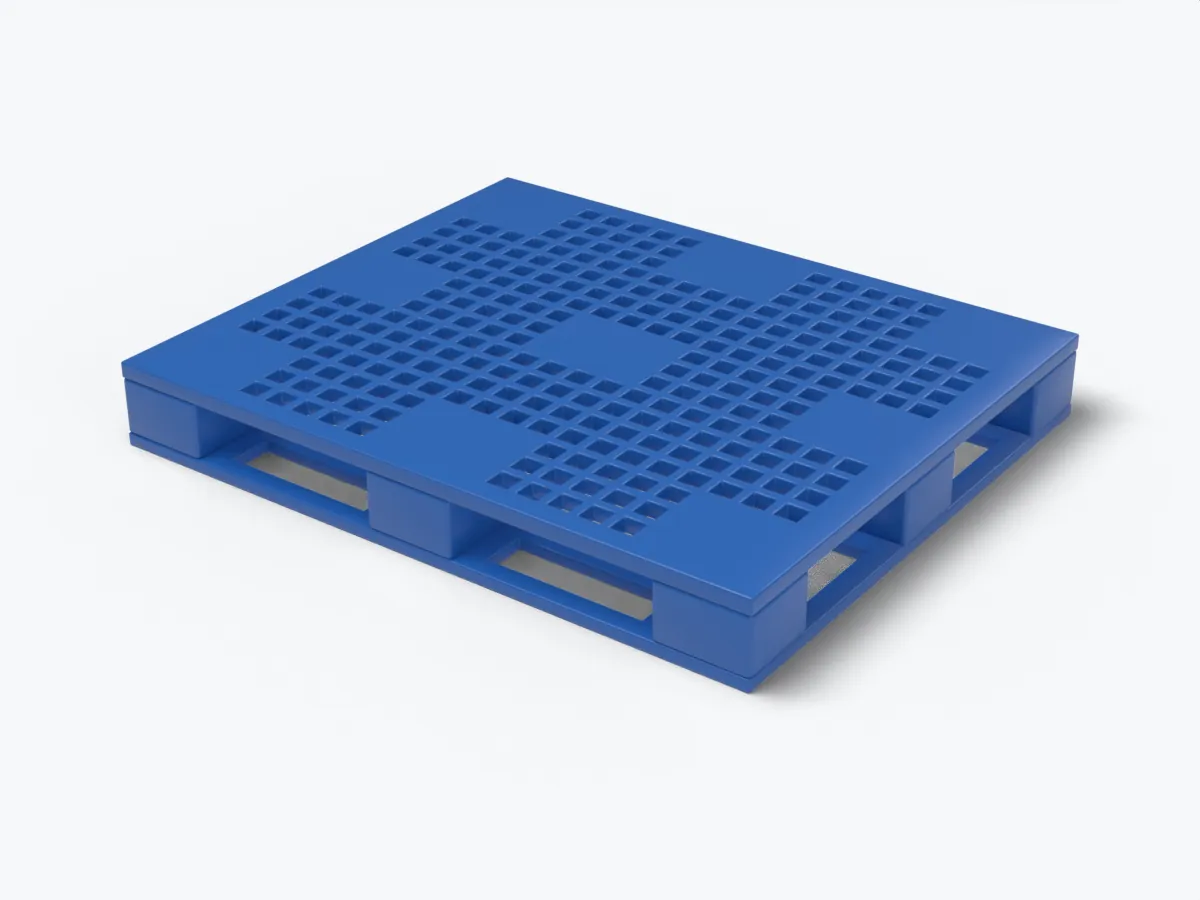
How a drug DC differs from a factory
A pharmaceutical distribution center doesn't make anything. It receives finished, sealed product from manufacturers, stores it under controlled conditions, picks it into totes and shipper cases, and sends it to pharmacies, hospitals and clinics. The pallet's job is storage and movement inside a regulated building, not contact with open product.
That changes the spec. A DC doesn't need a cleanroom pallet. It needs a pallet that holds its shape in the racks, doesn't shed fibers or splinters into a pick module, wipes clean after a leak, and looks the same in every bay when an auditor walks the aisles. The product page for pharmaceutical pallets covers the smooth-deck models used in GMP production areas; this page is about the warehouse.
Temperature zones and storage areas
Most product is stored at controlled room temperature, about 20 to 25 C (68 to 77 F), in mapped and monitored rooms. Biologics, vaccines and many injectables need 2 to 8 C cold rooms, and some products go into freezers.
Controlled substances sit in a DEA-registered vault or cage with its own access rules. Pallets there are usually low-count and long-staying, so a rackable model with a clean, easy-to-inspect deck suits it.
Hospital and long-term care accounts order unit-dose blister cards, IV fluids and oncology drugs alongside ordinary stock. Cases of IV bags are dense for their size and set the heaviest pallet in many DCs.
Inbound loads from manufacturers often arrive on wood. Many DCs break those down or transfer them at receiving onto captive plastic pallets, which keeps bark, mold spores and insects out of the storage zones. Returns and recalls get their own quarantine area, often with a pallet color that marks quarantine at a glance.
Rules that bear on the pallet
Good distribution practice (GDP) guidance asks distributors to keep storage areas clean, pest-free and organized, with equipment that doesn't put product at risk. A plastic fleet that doesn't absorb moisture or harbor insects is easier to defend in an audit than reused wood.
Pest control is audited too. A DC keeps trap logs, sealed doors and clean floor edges, and wood with bark or bore holes invites questions a plastic fleet doesn't. After a liquid product leaks, a quaternary or alcohol wipe cleans plastic in minutes.
The Drug Supply Chain Security Act traces product at the package level. Many DCs also aggregate cases to a pallet license-plate label for receiving and shipping, so a flat label area, or a molded pocket for an RFID tag, saves time at the scanner.
Fire protection is the practical rule people forget. Sprinkler standards treat unlisted plastic pallets as a heavier fire load than wood in racks, so ask for the model's fire listing, and consider a flame-retardant resin, before switching a high-bay DC.
Footprints and types for pharma distribution
US DCs run 48x40. Product imported from Europe may arrive on 1200x800 or 1200x1000, and international shipments of finished product are often built on those sizes to fit the receiving country's racking.
| Area | Footprint | Pallet type | Detail to specify |
|---|---|---|---|
| Room-temperature racking | 48x40 | Rackable with runners | Racked load and fire listing |
| 2 to 8 C cold rooms | 48x40 | Rackable, HDPE or PP copolymer | Rating at cold-room temperature |
| Receiving swap from wood | 48x40 | Captive rackable | Weight and fork entry for transfer |
| Quarantine and returns | 48x40 | Stackable in a quarantine color | Color and labeling area |
| Vault or cage | 48x40 | Rackable, smooth deck | Low profile for short bays |
| Export of finished goods | 1200x800, 1200x1000 | Export pallet | Receiving country's size |
Lane shipments and the outbound pallet
Most pharmacy and hospital orders leave the DC in totes, not on pallets. Full-pallet orders to other distributors or to hospital systems do ship palletized, often in insulated shippers or temperature-controlled trailers. For those one-way loads, a lighter nestable model in a recycled or low-cost resin is cheaper to give away than a captive rackable.
Cold-chain freight leaves in passive shippers (insulated boxes with gel packs or phase-change panels) built onto a pallet as one unit, or in active containers with their own refrigeration. Data loggers ride inside. The base under a passive shipper adds to an air waybill and must survive a ramp, so lighter molded pallets with a perimeter bottom are common.
Keep the captive fleet and the outbound fleet in different colors so racked pallets don't leave the building.
Getting a quote for a DC
List the footprint, the storage type and rack style, the heaviest load and whether it is racked, the coldest room it will see, the colors you need, the quantity and the delivery ZIP. We reply by email with models and a delivered price. A full DC fleet ships by the 53-foot van.
Questions buyers ask
Does a pharma DC need cleanroom pallets?
Usually not. Product is sealed by the time it reaches distribution, so a clean, rackable plastic pallet that wipes down is enough; cleanroom models belong in production.
Why swap inbound wood pallets at receiving?
It keeps splinters, mold and insects out of storage, and gives every racked load the same base. Many DCs transfer loads to a captive plastic fleet at the dock.
Do plastic pallets cause a fire code problem in a DC?
They can. Sprinkler standards treat unlisted plastic pallets as a heavier fire load, so get the model's fire listing and talk to your fire protection engineer.
Can a DC reuse inbound manufacturer pallets?
Plastic ones, yes, if they are clean and suit your racks. Wood is usually better returned or recycled than kept in GDP storage.
Sources
Last reviewed November 8, 2026.