06 Sell side
Cracked and broken plastic pallets
Cracked and broken plastic pallets are worth their resin: a clean load of one resin sells by weight as regrind, even when no pallet in it can carry a load. Send the count or weight, resin code, type of damage, what the pallets carried and the pickup ZIP, and we email an offer or tell you plainly the lot isn't worth a truck.
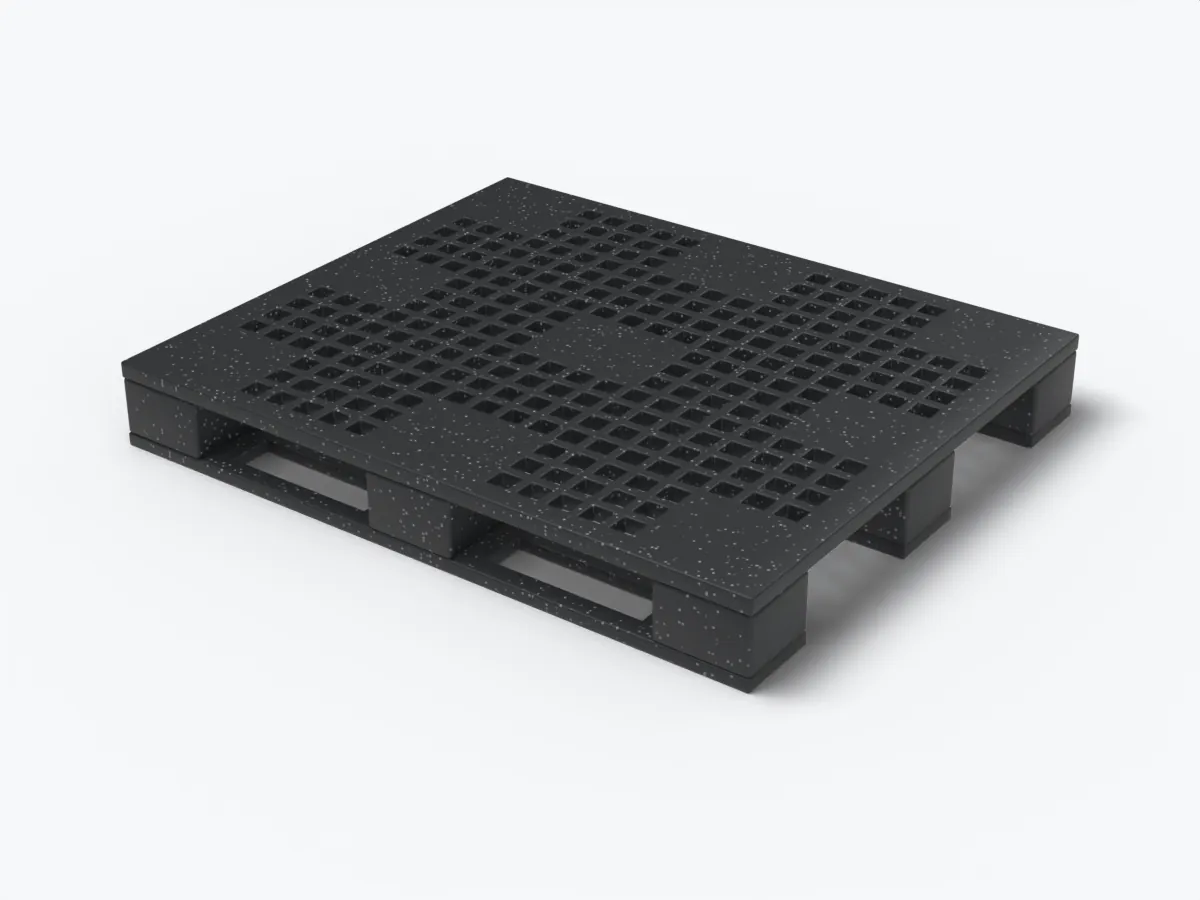
Broken is not worthless
Cracked HDPE still has value as regrind, so a broken fleet is worth a call before the dumpster. Full-size plastic pallets are not light: one published heavy-duty nestable 40x48 weighs 28.5 lb, and a stack of broken ones is a real quantity of resin that a grinder can clean and sell on.
What decides the value is not how badly a pallet broke but what it is made of and what it touched. A pallet snapped in half is worth as much as regrind as one with a hairline crack, as long as the resin is clean and known.
Kinds of damage and what each is worth
We sort damage into what can still be a pallet, what can only be resin, and what can be neither.
| Damage | Still usable as a pallet? | Regrind value? | What to tell us |
|---|---|---|---|
| Hairline crack in the top deck | Sometimes, for floor use only, after inspection | Yes | Where the crack runs and how long it is |
| Deck split through or punched by a fork | No | Yes | Share of the lot with this damage |
| Broken leg or foot on a nestable | No | Yes | Whether the rest of the pallet is whole |
| Snapped or bowed runner | No, it can't sit on beams or conveyors | Yes | Whether the runner holds steel tubes |
| Warped from heat or long storage in sun | No | Usually, if not melted | Where the pallets were stored |
| Burned or melted | No | Rarely; degraded resin is often refused | A photo of the worst ones |
| Soaked with oil or chemicals | No | No | What the pallets carried |
Why plastic pallets crack in the first place
Knowing the cause helps a buyer judge the rest of the fleet. A lot where every pallet cracked in the same spot points to one handling problem; the uncracked pallets from that fleet may be fine.
Fork strikes are the most common cause: tines entering too high or too fast punch the deck edge or split a leg. Loads above the rating are next, especially a pallet left spanning rack beams with more weight than its racked figure allows, which bows the runners over time. Cold plays a part too, since polypropylene grows more brittle in a freezer than HDPE, and impact damage shows up there first. Long outdoor storage in sunlight fades and weakens the surface of pallets molded without ultraviolet stabilizers.
Why mixed resins matter
Polyethylene and polypropylene look much alike on a dock, but they melt and flow differently and don't bond with each other in a mold. A molder buying regrind needs to know which one it is getting.
A broken lot that is all one resin is simple: the grinder weighs it, strips it and grinds it. A lot that mixes code 2 and code 5 pallets has to be sorted first, by eye or by test, and that labor comes off the offer. If your fleet came from more than one maker, the codes on the underside are worth a few minutes before you send the request.
Pallets with no readable code can still sell. Send a photo, since the maker's name or model often shows which resin was used.
When a broken lot is worth a pickup
A truck costs much the same whether it carries whole pallets or broken ones, and broken pallets can't be nested or stacked tight. That means a cracked lot needs more weight than a whole one to cover its freight.
A broken lot is usually worth collecting when it is large enough to fill most of a trailer, one resin or easy to sort, free of contamination, and close to a grinder or a main freight lane. A small pile of cracked pallets far from any recycler may cost more to move than the resin brings. In that case we say so, and suggest holding the pile until it grows, or pairing it with a whole-pallet pickup from the same site.
- Keep broken pallets apart from wood, scrap metal and trash.
- Stack them as flat as the damage allows, heaviest at the bottom.
- Separate any pallet that may have touched something hazardous.
- Note which pallets have steel tubes or tags.
- Count, or estimate the weight from the number of pallets of a known model.
Pallets that can't be sold
Some broken pallets have no buyer. Pallets used under leaking drums of solvents, oils or pesticides, pallets from a site fire, and pallets that carried anything regulated as hazardous can't be ground into resin a molder will accept. They need disposal through whatever route your site uses for that material, and a regrind desk can't take them.
If you are not sure what a lot carried, tell us that too. It is better to set a few pallets aside than to have a whole load turned away at the grinder.
Questions buyers ask
Is a cracked plastic pallet worth anything?
Yes, as regrind, if its resin is known and it is free of oil, chemicals and anything hazardous. It is priced by weight rather than per pallet.
Can a cracked plastic pallet be repaired?
Some cracks can be welded, and a welded pallet may still work for floor use. A repaired pallet should not go into racking unless the maker says the repair keeps its racked load.
Will you take a lot that is mostly broken with a few whole pallets?
Yes. The offer splits it: whole pallets priced as pallets, the rest by weight as regrind.
What if my broken lot is too small to collect?
We say so rather than send a truck that costs more than the resin. Holding the pallets until the pile grows, or adding them to a larger pickup, usually solves it.
Should I cut broken pallets into pieces before pickup?
Usually not. Sawing adds dust and labor, and most recyclers prefer whole broken parts that are easy to inspect for contamination. Flattening loose stacks with straps is more useful than cutting.